
September is National Emergency Preparedness Month and a good time to review whether your business, home and family are ready in the event of a disaster. Here’s our annual rundown of tips to help you stay safe.
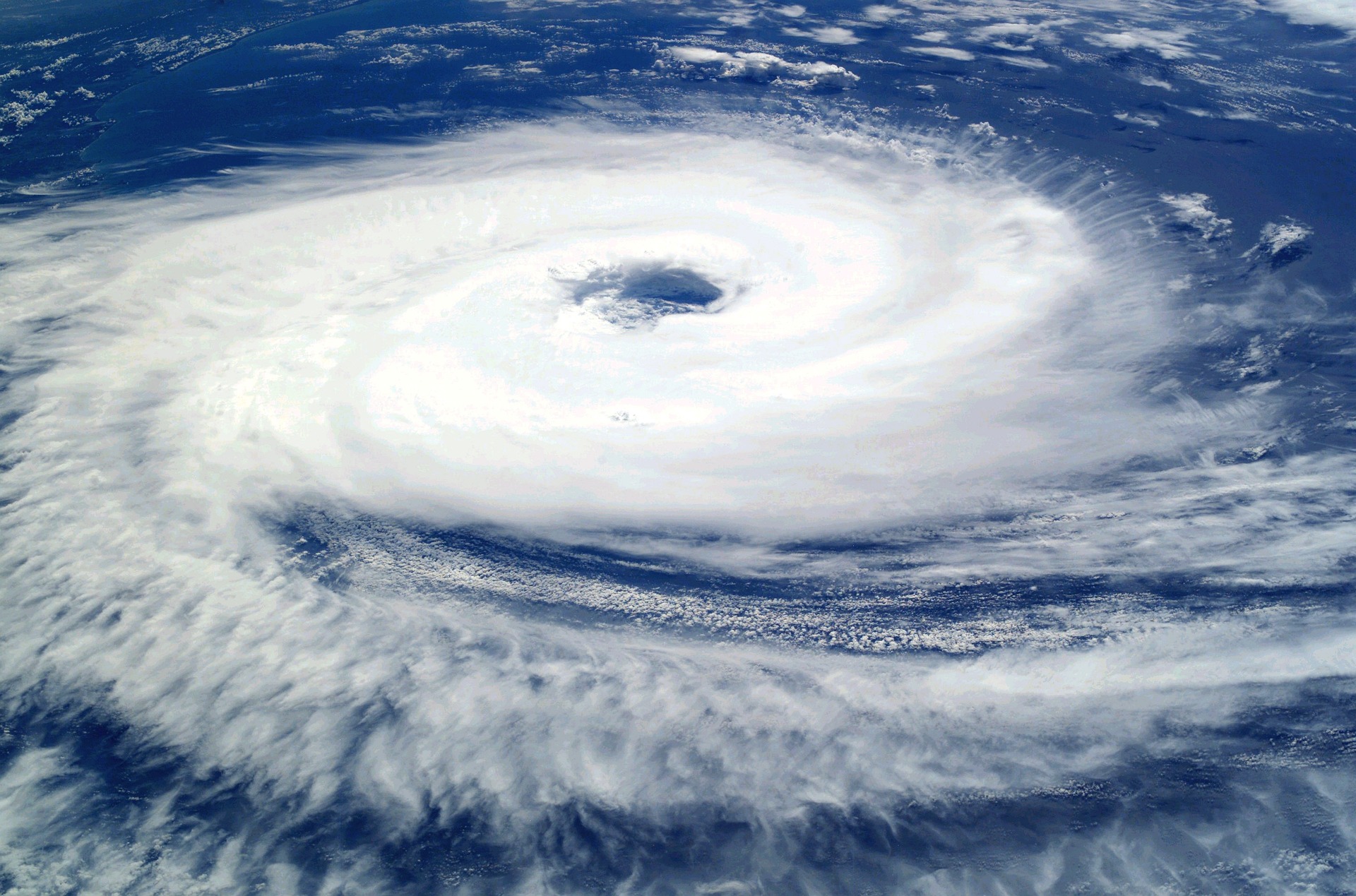
It’s no coincidence that the Emergency Preparedness observance falls smack in the middle of hurricane season, and hurricanes are indeed a regular threat to our region. But as we’ve seen in recent years, there are many other weather-related threats to safety and well-being. From tornadoes to wildfires to just a concentrated band of thunderstorms, communities everywhere have experienced utility outages, loss of property and even loss of life.
Yes, you should have ample food and water on hand, but preparedness goes far beyond those basics. Beyond not being able to get to a store, you might experience utility or phone service outages, the need to suddenly vacate the premises, or a situation where emergency help can’t get to you. For those reasons and more, FEMA recommends the following:
There’s an app for that. Consider downloading the FEMA app for weather alerts, safety tips and other resources.
Be trained. At least one family or staff member (and preferably many) should be trained in first aid and CPR.
Communicate. Create and review a family communication plan, and also one for your business personnel. Don’t depend on speed-dial, either: Have all relevant phone numbers either written down or memorized.
Nutrition and hydration. Have at least three days of food and water on hand.
Don’t be powerless. Consider a generator with at least enough capacity to power essentials like refrigerators and freezers, and to charge mobile devices. Have plenty of flashlights or other portable lighting close at hand.
On the road. Every vehicle should have an emergency kit. Water bottles and nonperishable snacks like energy bars are also good things to have in the event you’re stranded.
Lock it up. At home and at the workplace, important documents like birth certificates and insurance policies should be stored in a fireproof safe, or offsite in a safety deposit box.
Turn it off. Every adult family member should know how to shut off all major utilities at the point of entry into the home. Even in the absence of a weather event, knowing where to turn off the water can save thousands of dollars in damages if a pipe breaks.
The real key to being prepared is to avoid the “it can’t happen to me” syndrome. While there’s usually ample warning of an approaching hurricane, other disasters can strike with little or no warning. Be prepared … not just in September, but all year long.
Questions about safety for your business? Contact Heart to Beat.